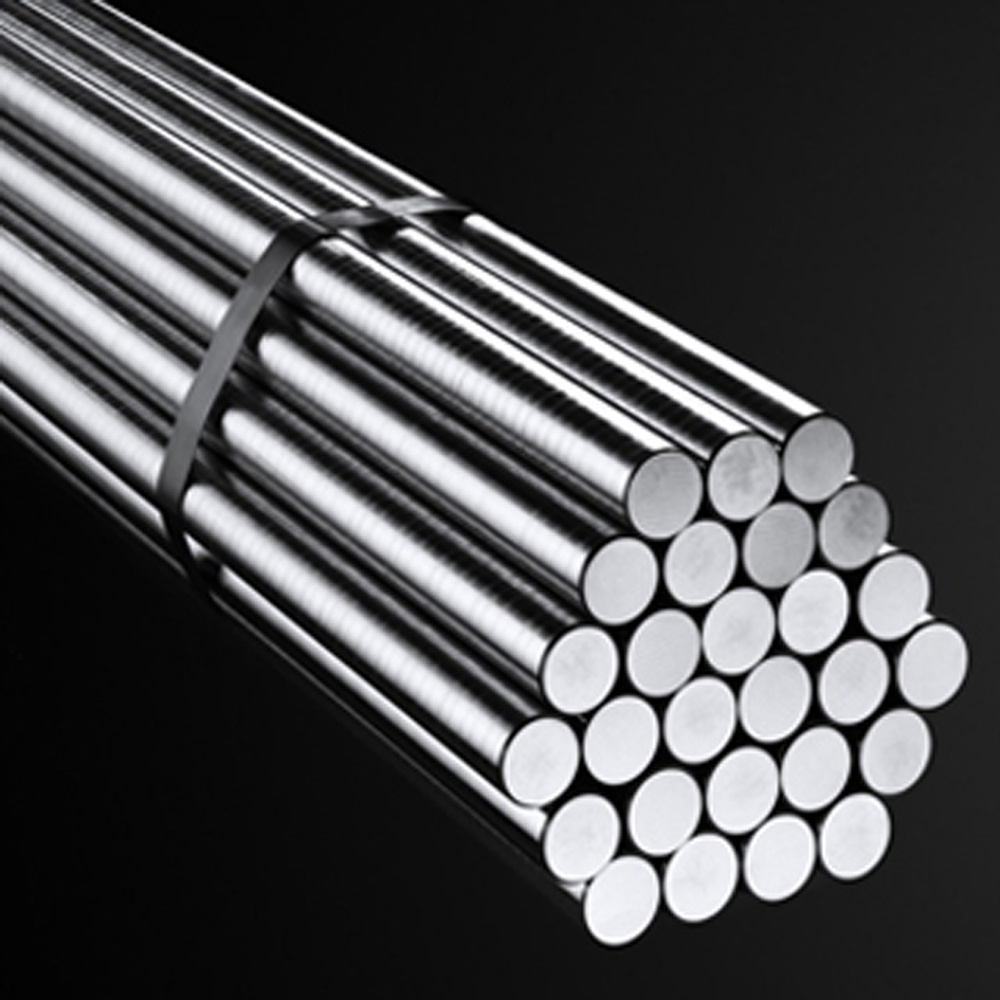
Get to Know Your Metal Bars

Metal bars are a key component of many projects and come in all shapes, sizes, and compositions. Knowing the types of metal bars available is essential for DIYers who are looking to take on a project with metal or for metal enthusiasts who simply want to learn more about this versatile material. Let’s take a look at some of the most common types of metal bars.
Definition of Metal Bars
Metal bars are slender, elongated pieces of metal that are often used in construction, manufacturing, and other industrial applications. They can be made from a variety of metals, including steel, aluminum, brass, and copper, and come in a range of sizes and shapes to suit different needs. Typically, metal bars are used for structural support or as a building block for other components. They are strong, durable, and able to withstand high levels of stress and strain, making them an essential element in many industries. Overall, metal bars are versatile and reliable, making them a go-to choice for many applications.
Types of Metal Bars
Metal bars come in all shapes and sizes, and it's important to choose the right type for your project. Some common types of metal bars include flat bars, round bars, square bars, and hexagonal bars. Flat bars are known for their strength and versatility, making them ideal for structural support and framing. Round bars are perfect for creating curved designs and are often used in machinery and construction. Square bars are great for creating angular shapes and can be used for ornamental purposes. Lastly, hexagonal bars are used in manufacturing to create various mechanical parts. No matter what type of metal bar you choose, it's important to consider its properties and intended use to ensure it will perform as expected.
Stainless Steel Bars
One of the most common types of metal bars is steel. Stainless Steel bars can be used for both structural and decorative purposes due to its strength, durability, and versatility. It can also be easily welded, making it ideal for creating metal structures such as railings or frames. Steel comes in round, square, flat, hexagonal, and other shapes depending on its intended use. It may also be coated with zinc or another material to prevent rusting or corrosion over time.

Aluminum Bars
If you’re looking for something lightweight yet strong enough to get the job done, aluminum is your best bet. Aluminum is lighter than steel but still provides ample strength while not being overly heavy like other metals. It is often used in applications requiring corrosion-resistance such as electrical components or marine parts because it does not corrode easily when exposed to air or water. There are several grades of aluminum so it’s important to know what you need before purchasing your bar stock!

Brass Bars
Brass is an alloy made up of copper and zinc that has been used for centuries due to its durability and attractive golden coloration. Brass bars are often used in decorative projects such as jewelry making due to their eye-catching appearance but can also be found in musical instruments like trumpets or French horns because they produce a mellow sound when struck or plucked. Brass can corrode over time if not properly cared for so make sure you do regular maintenance on any brass pieces you own!

Bronze bars
Bronze bars are a popular and versatile material used in a wide variety of industries. This alloy of copper and tin has been prized by civilizations for thousands of years due to its strength, durability, and attractive appearance. From ancient statues to modern machinery, bronze bars are often the go-to choice for those seeking a strong and reliable material. Additionally, bronze bars are easy to work with and can be shaped into a range of different designs without losing any of their strength or durability. Whether you're an artist, a manufacturer, or a hobbyist, bronze bars have something to offer everyone.

Application Industry of Metal bars
The application industry of metal bars is a fascinating one, with a plethora of uses for these versatile materials. From construction sites to manufacturing plants, metal bars are integral components that play a crucial role in a plethora of industrial processes. They are used to create sturdy frameworks for buildings, provide support for heavy machinery, and even used as decorative elements in various consumer products. The properties of each type of metal bar are unique, and metalworkers are able to manipulate them to fit specific needs within a variety of industries. With so many uses, it's no wonder the metal bar industry has seen growth in recent years.
How to test Metal bars
Metal bars are commonly used in construction and manufacturing industries, and it is crucial to ensure their quality and reliability. Testing metal bars is a meticulous process that involves various methods, including tension and compression tests, hardness tests, and metallographic examinations. Tension and compression tests simulate the stress a metal bar may face during use, whereas the hardness test measures its resistance to deformation. Metallographic examinations, on the other hand, involve analyzing the microscopic structure of the metal to determine its properties. Accurate testing of metal bars is vital to prevent potential accidents and ensure optimal performance.
Conclusion
With so many types of metal bars available, deciding which one best suits your project can be overwhelming. Consider your project’s purpose—is it structural? Decorative? Or both? Then think about whether you need corrosion-resistance or a certain color finish when selecting your bar stock material type! Once you have that sorted out, all that's left is selecting the right shape and size for your project! No matter what type of bar stock you end up using, there will always be an option perfect for any task at hand!